

Keep the context
A lease term means more when it stays connected to the rent, the property, and the decision it informs. Financial decisions trace back to a lease, a transaction, or an explicit owner approval—never a black-box calculation.
Managing a property means moving between leases, financial detail, maintenance, and the people who rely on each one. TenantPoint brings that work closer together.
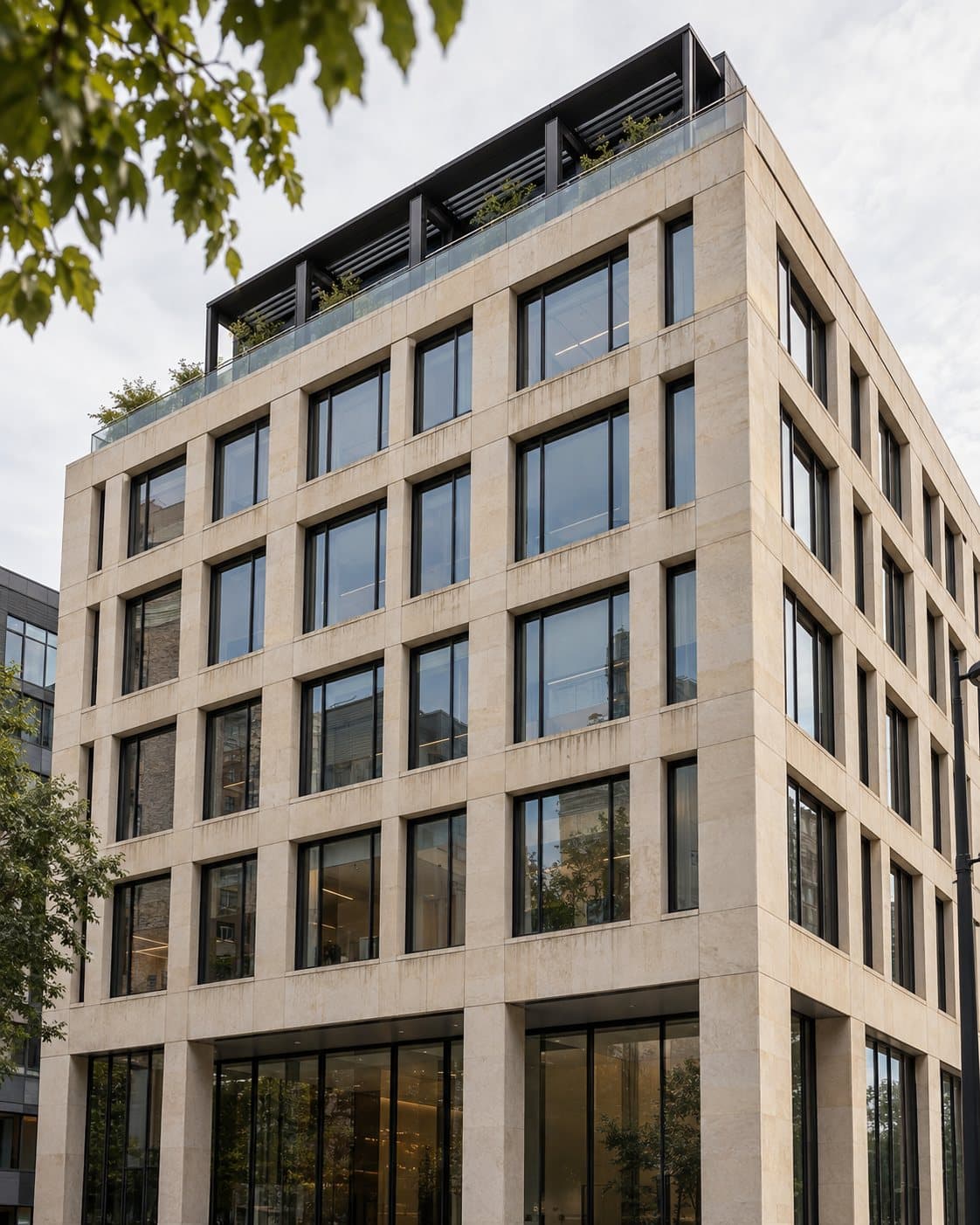
Lease terms in one folder. A bank statement in another. Work requests in email. A property’s operating picture should not depend on who can find the right thread.
TenantPoint is designed around that everyday reality: keep the context close, make the handoffs clearer, and help owners and managers spend more time on their properties than on chasing details.
Explore the platform
We had too many properties, too many leases, and too many spreadsheets—and no software made commercial real estate simple enough to manage the way an owner actually works.
Every commercial property owner ends up running the same five or six workflows: know who owes rent, know what the lease actually says, reconcile CAM without rebuilding a spreadsheet, keep bank activity organized, and communicate with tenants without losing the thread. None of that is exotic. It is just tedious to hold together across email, PDFs, a bank portal, and a growing pile of spreadsheets.
So we built the system we needed: one place to know who paid, understand every lease, reconcile CAM, organize bank activity, and communicate clearly with tenants. Owners review extracted lease terms before activation and control the financial connections and operating permissions. Eligible tenants can initiate bank payments through Stripe after landlord setup. We use it to run real properties. Now we are sharing it with owners who have the same problem.
Built by property owners. Tested on the work. Shared with the market.
Alma is a licensed real estate agent in Georgia with years of experience on both the residential and commercial sides. She started building TenantPoint to solve her own property management problems—tracking leases, reconciling CAM, and keeping tenants informed—after spreadsheets stopped being enough. She’s also a mom of two, which is part of why “useful on Monday, not just impressive in a demo” became a real product principle here, not just a tagline.
Moiz owns several commercial properties and built TenantPoint to run them. Tracking leases, reconciling CAM and keeping tenants informed are the problems it was built to solve.
Owner-first and useful on Monday: every screen should answer a real landlord question without software training or an accounting background, and if a feature does not change what you’d do this week, it is not worth building yet.
A lease term means more when it stays connected to the rent, the property, and the decision it informs. Financial decisions trace back to a lease, a transaction, or an explicit owner approval—never a black-box calculation.
The next person should be able to understand what happened and what needs attention. Review and permission controls are explicit: lease terms need approval, bank activity needs reconciliation, and tenant bank payments follow their current status rather than being treated as settled at submission.
Property operations should fit alongside the systems your team already relies on—QuickBooks for the books and your bank connection through Plaid.
Useful property information stays connected to its source and the people who need to make the next decision. When TenantPoint reads a lease, each field it proposes cites the page it came from, and you confirm it before it is used.
Bring one lease and see what the system does with it.